Twain
Process notes
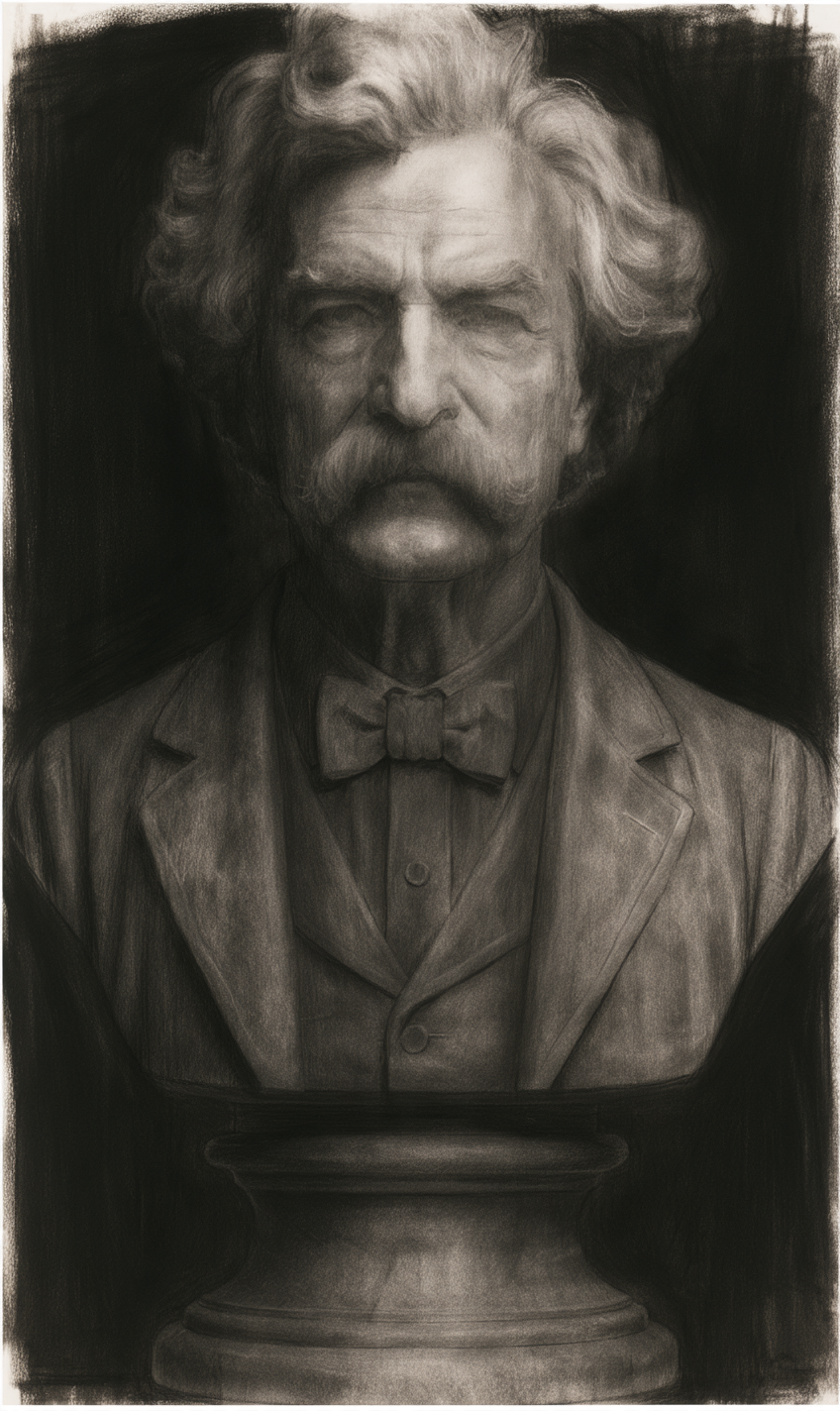
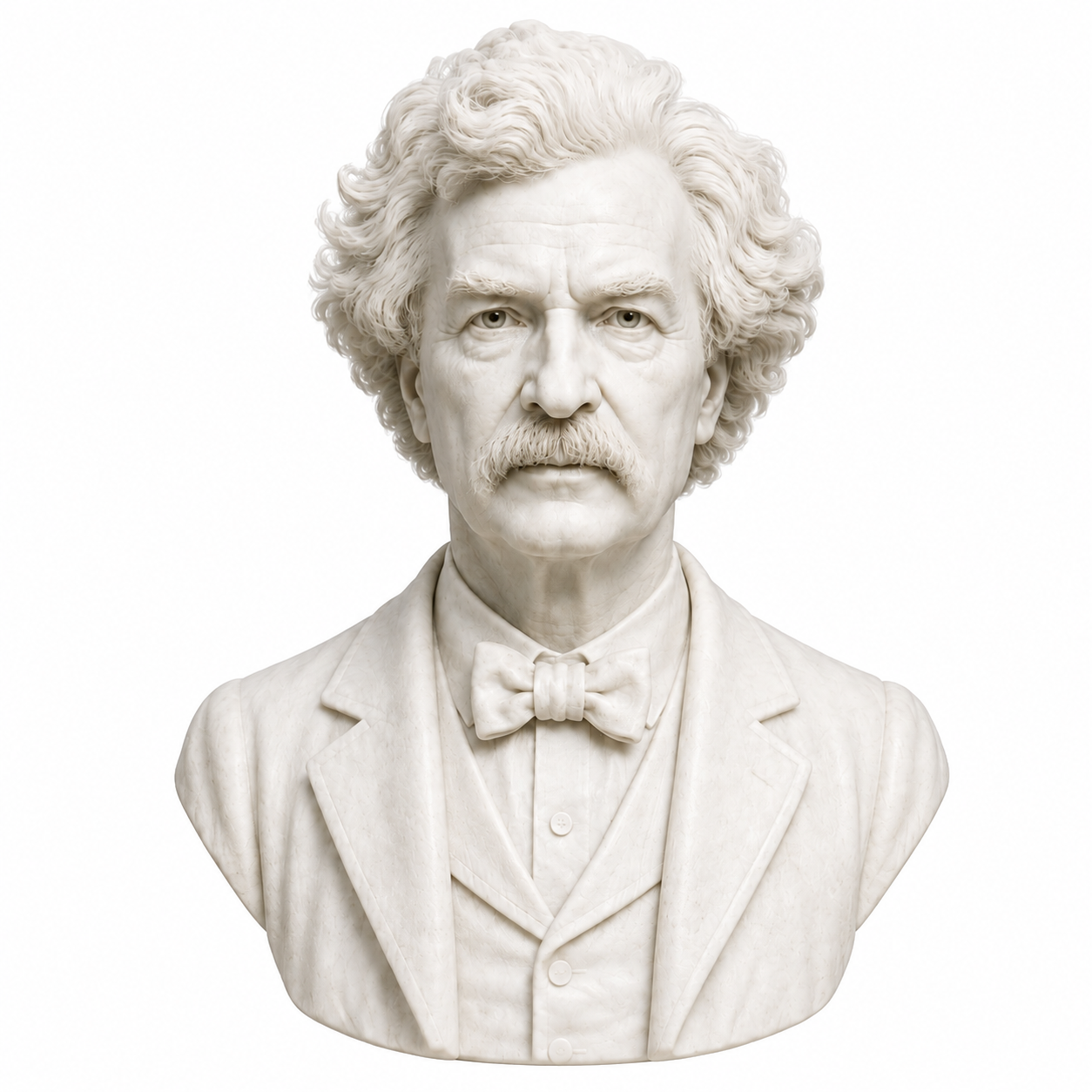
I chose the form of a commemorative bust, the kind of sculpture a museum might display in tribute to a writer or artist, with the added possibility of conversation. I want the visibly sculptural form to help distinguish an encounter with a representation from a meeting with Twain himself.
The conversation is generated in the present. My aim is for the responses to remain consistent with Twain’s surviving writing and perspectives. The studies below show some of the work behind that intention.
Variations on an Unstill Life
I use the name Unstill Life for moving portraits and still lifes that form part of a conversational encounter.
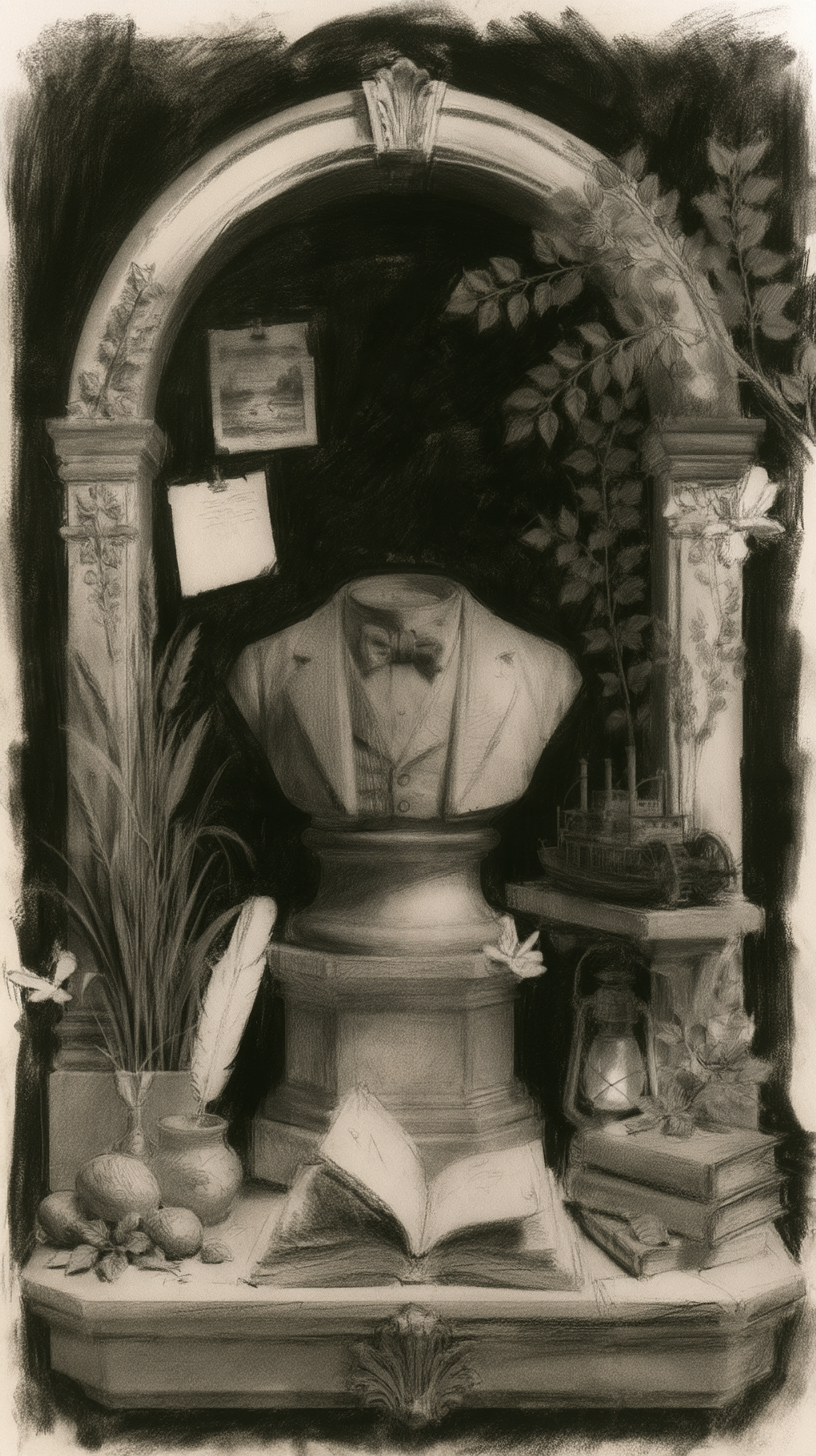
I have developed several variations of this Unstill Life, drawing on imagery from Twain’s writing and interests. The arrangement can change as the work develops.
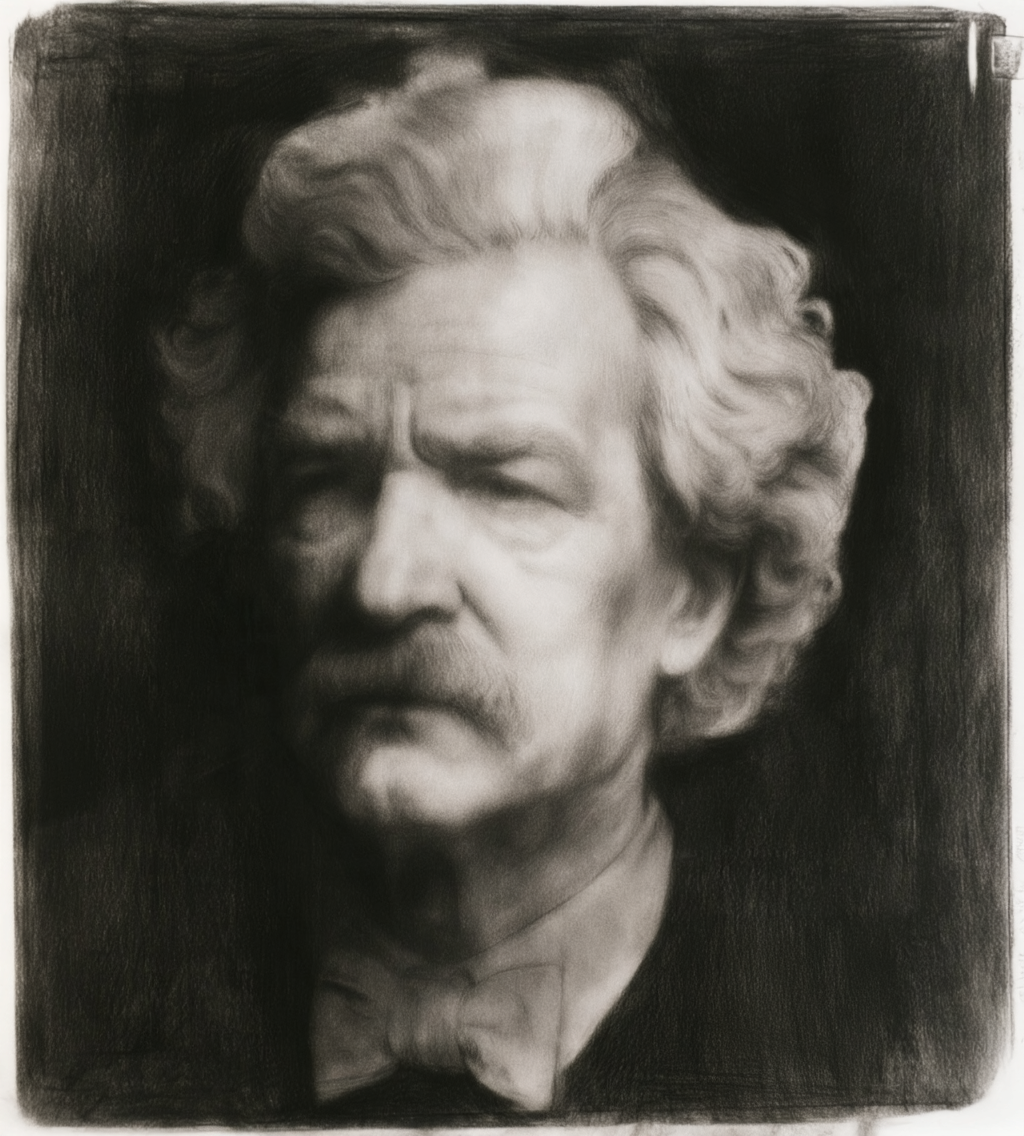
Developing the sculptural form
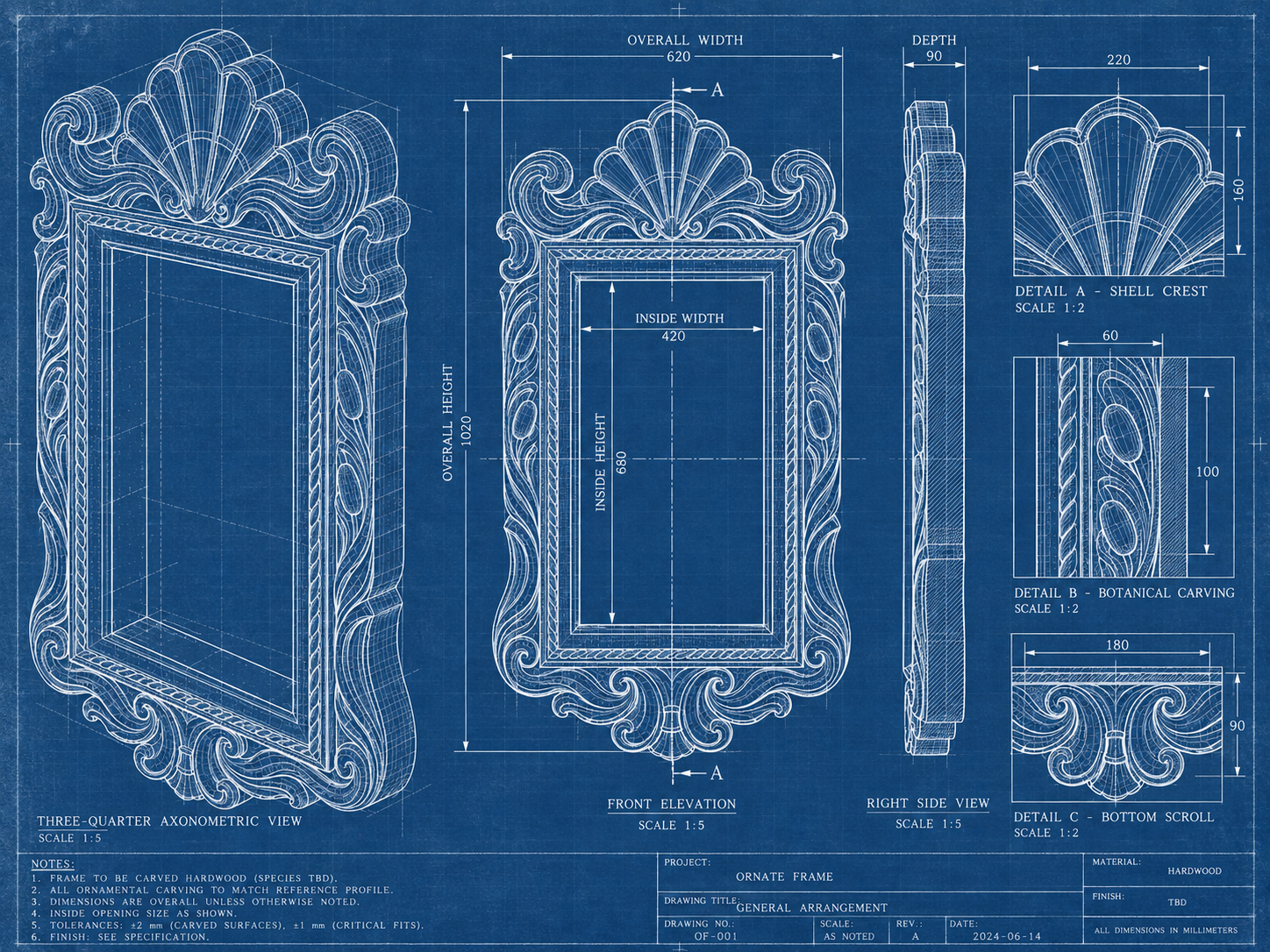
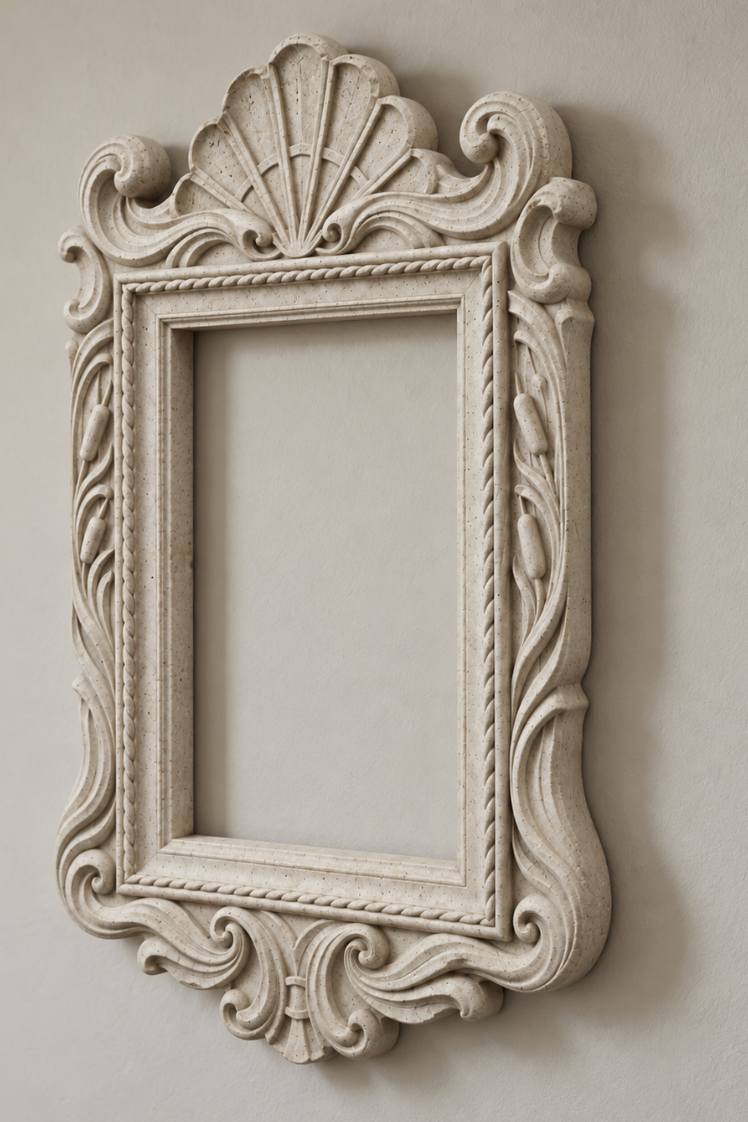
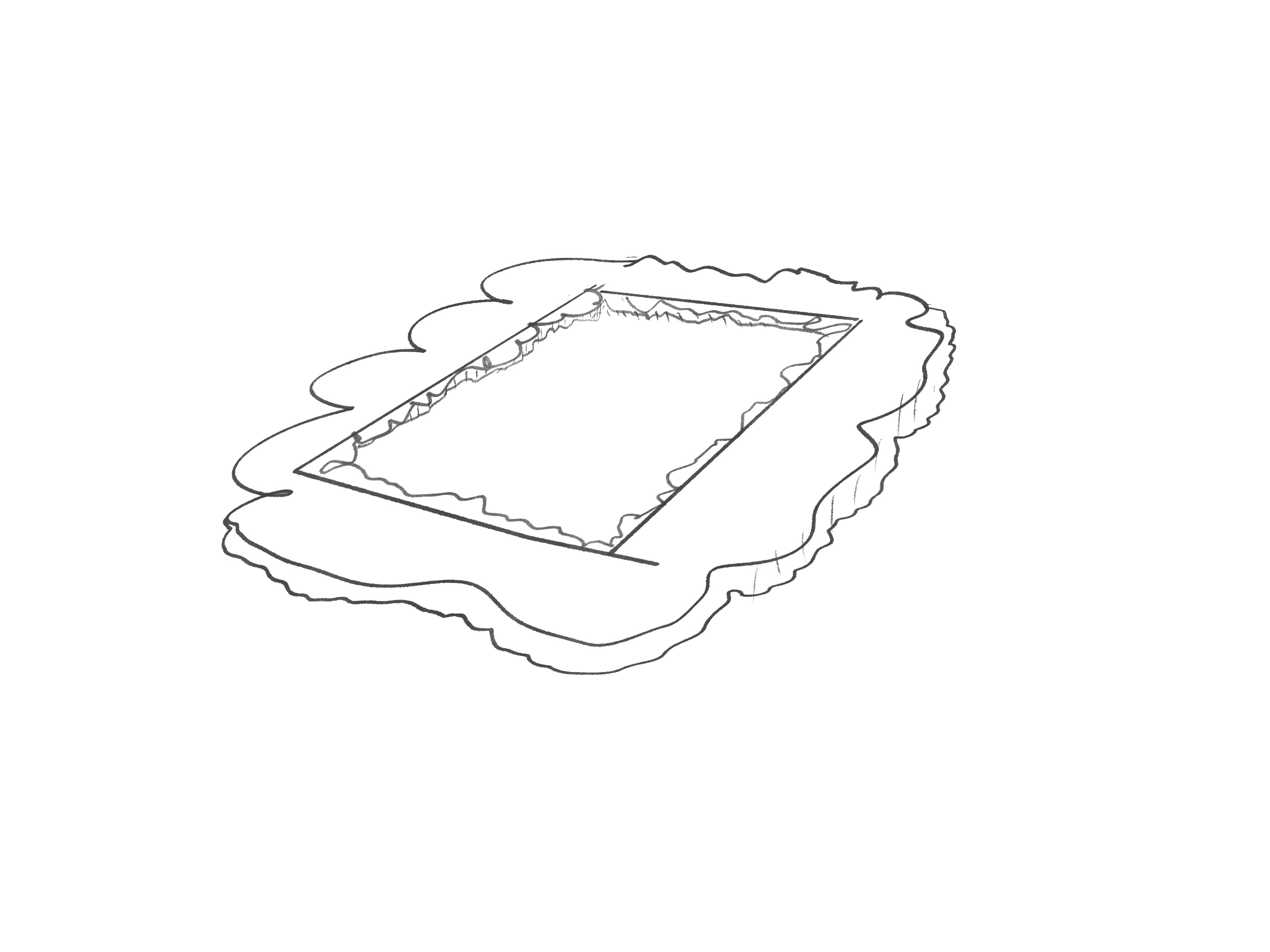
Frame studies

Working with Twain’s writing
I work from 22 Project Gutenberg texts, including books, speeches and correspondence. Choosing a source also means attending to its editorial history. The letters, for example, come from a collection arranged with commentary by Albert Bigelow Paine. His commentary needs to be distinguished from Twain’s own words.
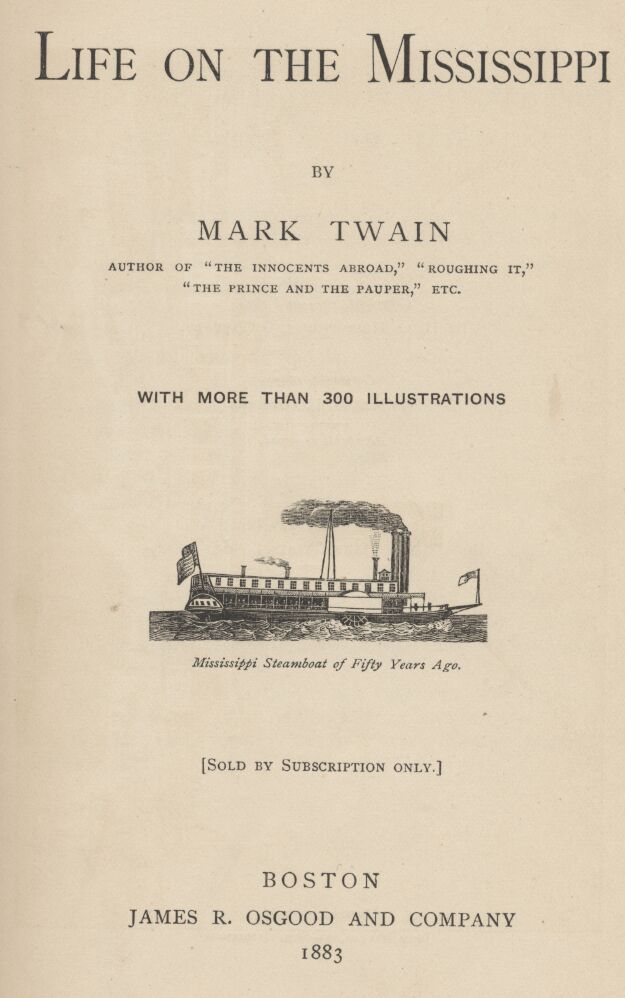
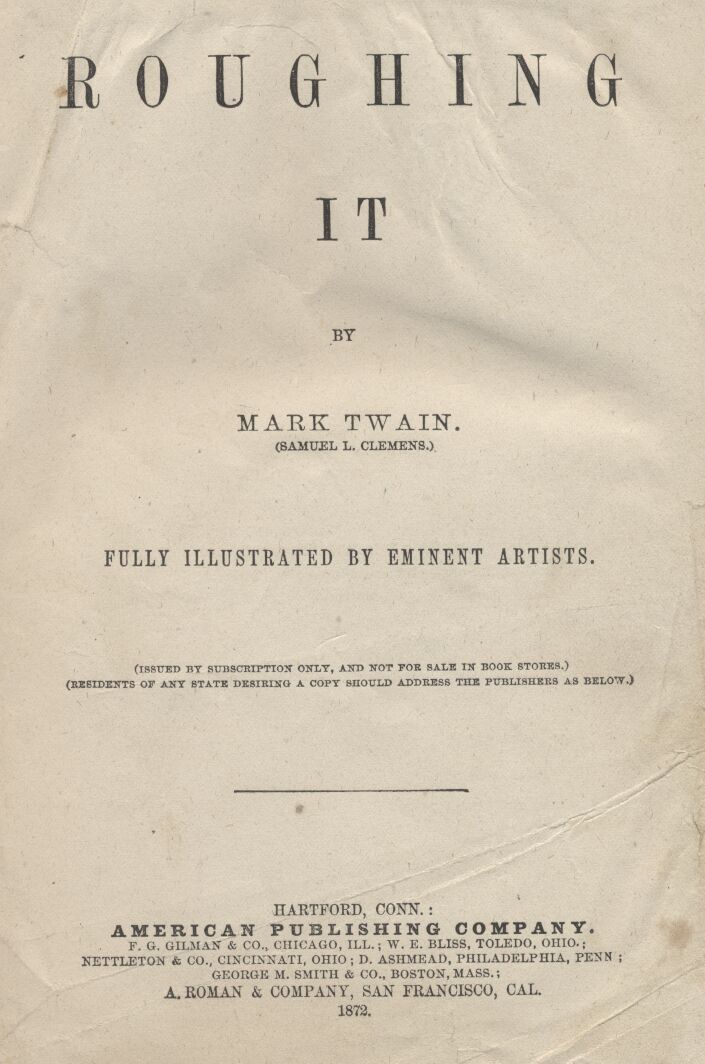
These title pages are reproduced in the illustrated Gutenberg editions. The project works from the digital transcriptions associated with those records.
The preparation script removes the Gutenberg opening and closing wrappers, normalizes line endings and reduces excess blank lines. It then groups the text into passages for retrieval. Here is the opening of one stored passage from Chapter I of Life on the Mississippi:
THE Mississippi is well worth reading about. It is not a commonplace river, but on the contrary is in all ways remarkable.
Preparing the text also involves editorial decisions about contents pages, production credits and commentary. I would work with the museum’s scholars to refine the source selection and the treatment of material written by others. That collaboration would also help define the boundaries of the conversational portrayal.
Preparing the encounter
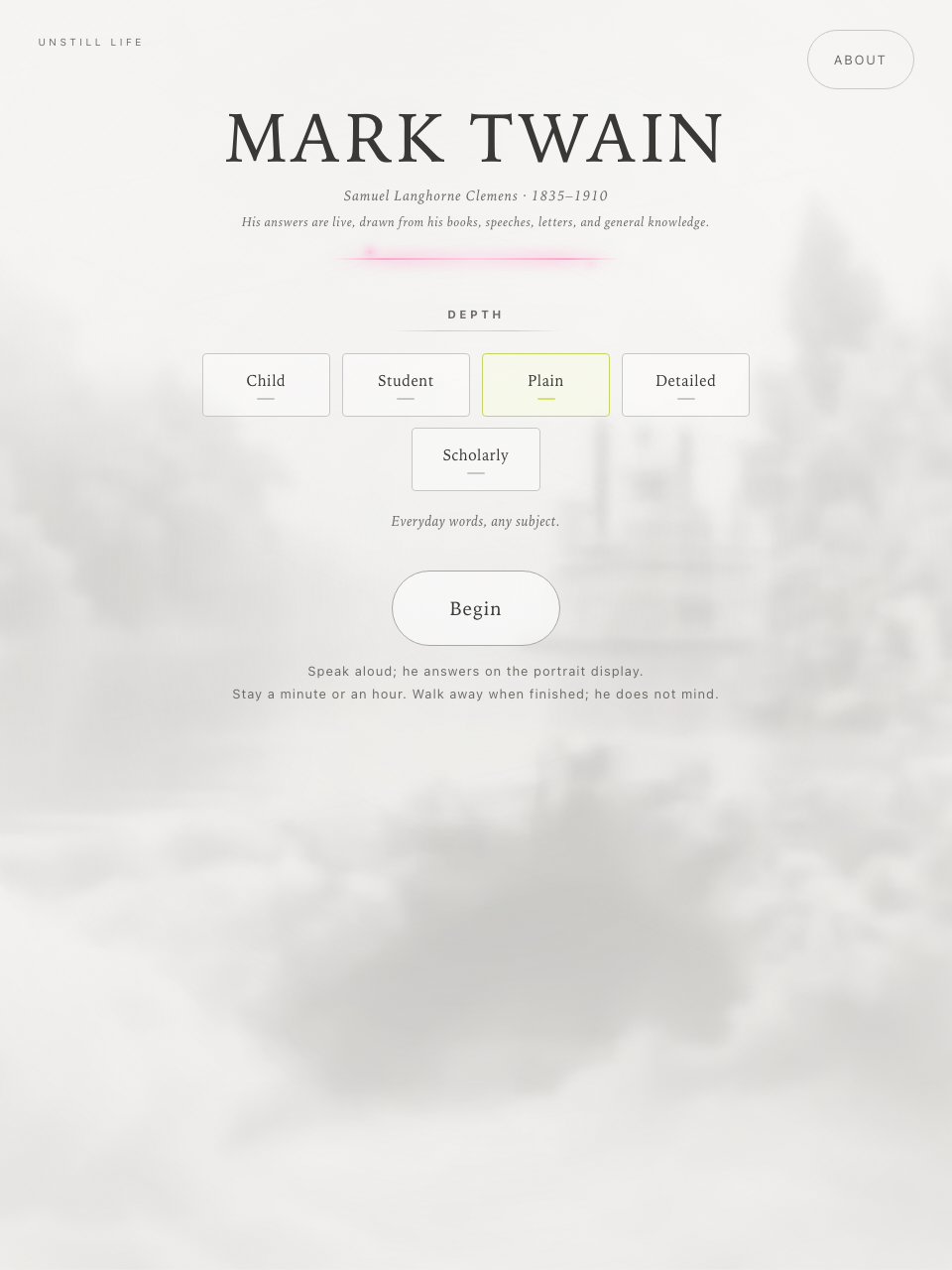
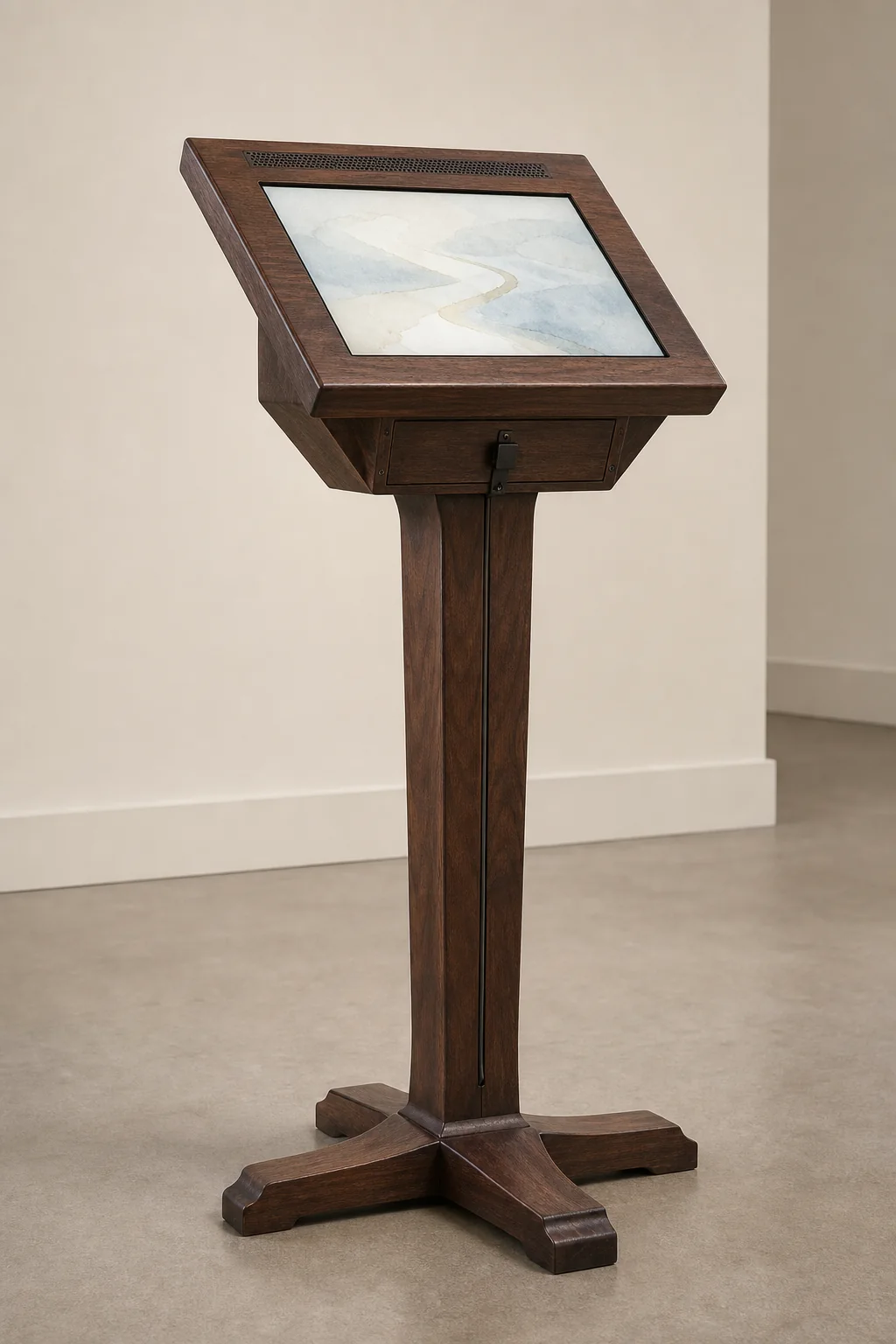
Seeing the work in depth
A small display used to test the Unstill Life’s depth and motion.
The display used for an installation may depend on the schedule. For a longer-term version, I would consider a different display with a light-background scene, adapting the background and contrast to the hardware.
Testing the conversation
The voice
The voice in the video example on the Kindred Spirits portfolio is provisional. For the final version, I would commission a voice actor, using William Gillette’s 1934 imitation of Twain as a reference. Historical accounts describe a nasal drawl and conversational delivery. I would draw on that delivery and carefully timed pauses, with a somewhat brisker pace for conversation than those accounts describe.
Kindred Spirits portfolio: https://pastpresence.io/portfolio/kindred-spirits
Historical voice references
Library of Congress, Gillette’s imitation: https://blogs.loc.gov/now-see-hear/2014/10/mark-twain-sort-of-speaks-to-us/
Contemporary account of Twain’s platform delivery: https://twain.lib.virginia.edu/onstage/rcbrev.html
Steamboat study
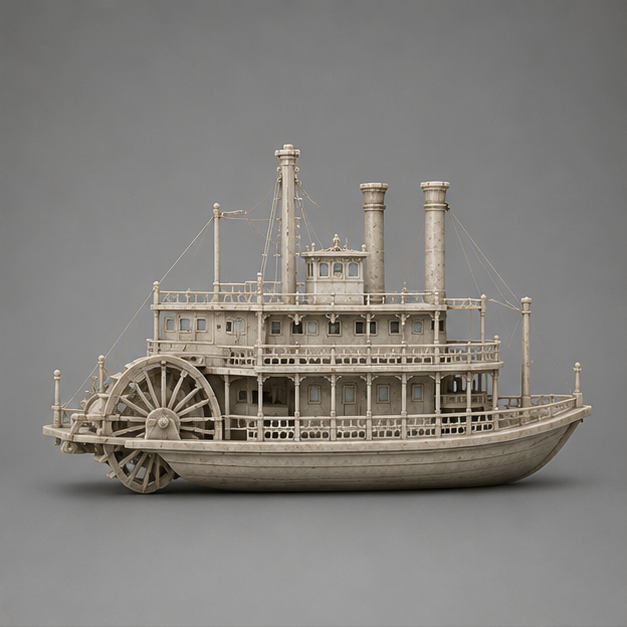
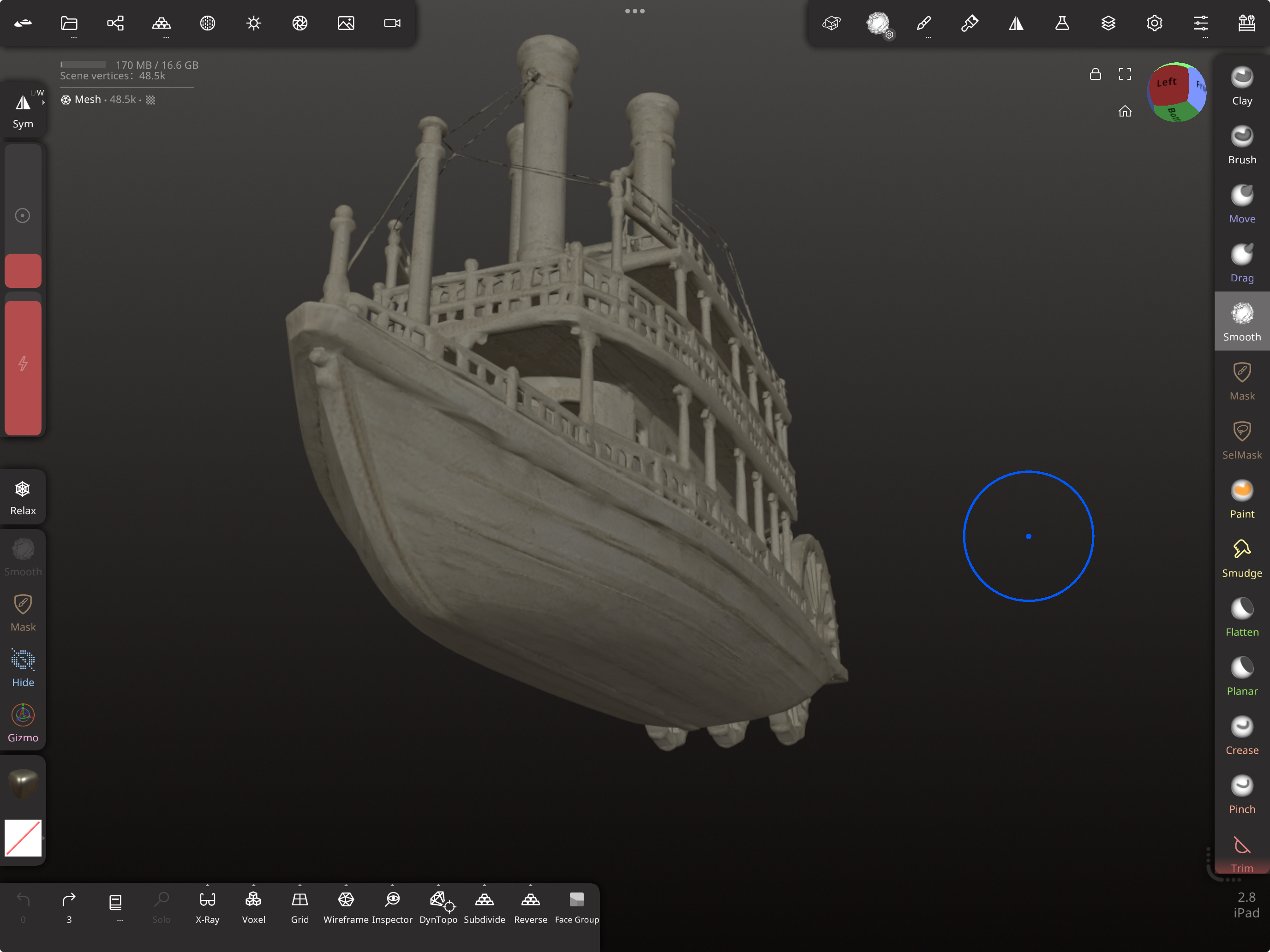
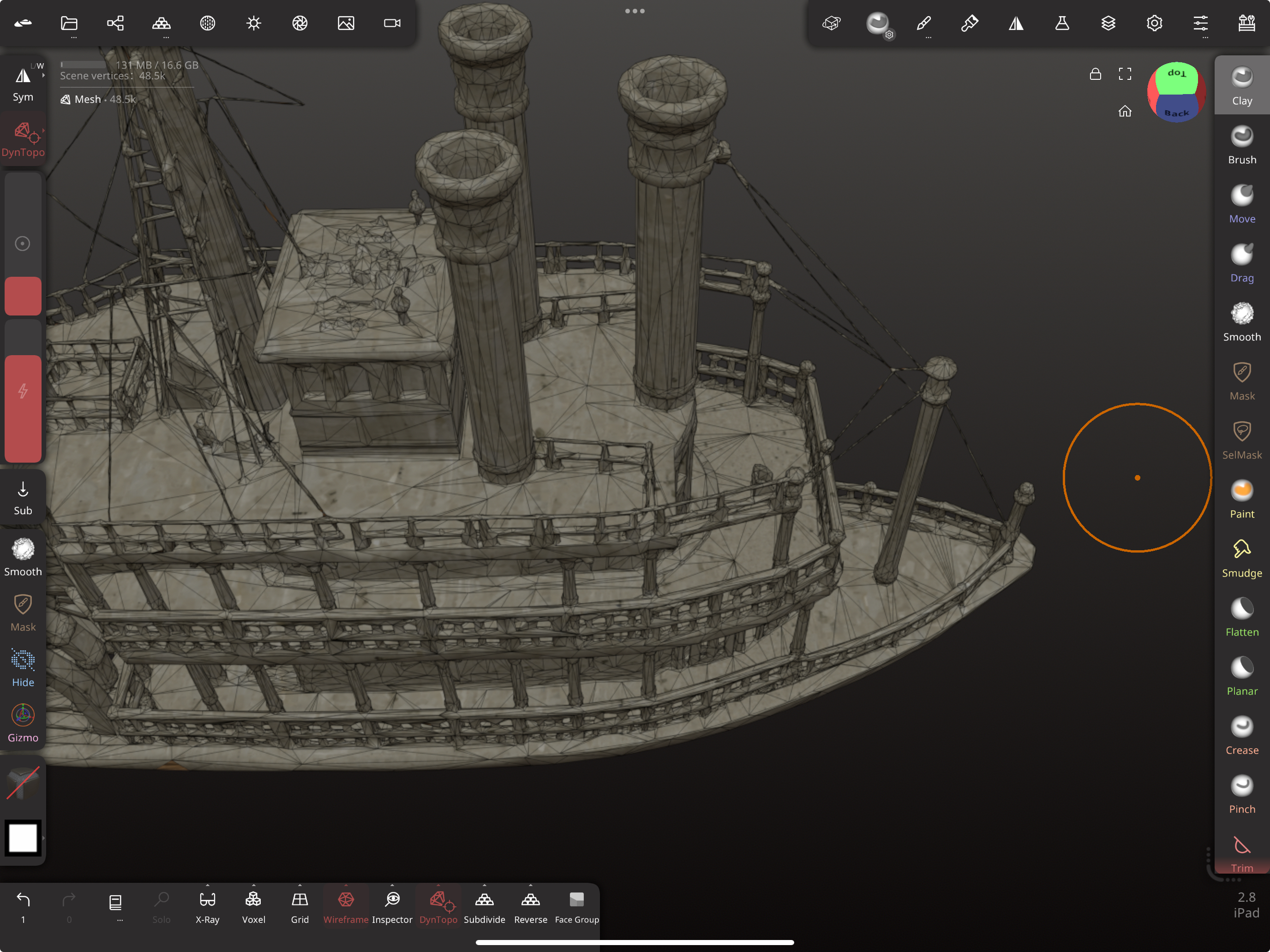
This steamboat study is a further development of the boat in one version of the Unstill Life.